- Home
- Dragons in folklore, history and literature
Dragons in Folklore,
History, and Literature
Dragons in folklore, history and literature.
Dragons have fascinated people for thousands of years, and it’s easy to see why. They appear in myths, legends, art, religion, and stories from cultures all over the world. Sometimes they are fierce and dangerous.
Other times, they are wise, protective, and deeply tied to nature. If you’ve ever been curious about where dragon stories come from, why they look so different, or what they might mean, you’re in the right place.
On this page, we’ll explore Dragons through folklore, history, and literature in a way that’s both easy to follow and genuinely interesting. I’ll walk you through how dragon legends changed over time, how different cultures imagined them, and why they still capture our attention today.
Along the way, you’ll also find helpful introductions to deeper pages on medieval dragons, Chinese and Japanese dragon traditions, Dragon drawing, dragon history, and more.
Fairy Garden Accessories for Outdoor Miniature Village

Transform your outdoor space into a whimsical retreat with fairy garden decor; perfect for creating magical scenes with fairy garden accessories that spark imagination.
Click here to check availability and pricing on Amazon!
Dragons in Folklore,
History, and Literature
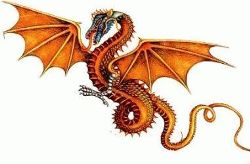 An orange dragon
One of the most exciting things about Dragon folklore is how wide and varied it is. In one story, a dragon guards a treasure deep inside a mountain. In another, it brings rain, controls rivers, or acts as a symbol of power and good fortune.
These differences matter because they show that dragons are not just one kind of creature. Instead, they reflect the values, fears, and dreams of the people who imagined them.
In Europe, dragons were often shown as winged reptiles with claws, teeth, and fiery breath. They usually represented danger, chaos, greed, or evil, especially in medieval Christian stories.
In many parts of Asia, though, dragons were more often seen as noble beings linked with water, wisdom, strength, and luck. Just that contrast alone makes dragons worth studying, because it shows how one creature can mean completely different things in different traditions.
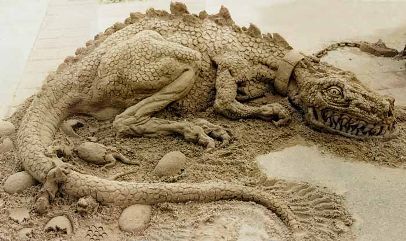 A clay pet dragon
Dragons also have a long place in literature, from ancient myths to modern fantasy novels. Some of the earliest written references to dragon-like creatures appear in Mesopotamian, Greek, and Norse stories. Later, dragons became unforgettable figures in epics, fairy tales, romances, and children’s books. Today, they still soar through movies, games, and bestselling series, proving that they haven’t lost any of their magic.
When writers use dragons in literature, they often stand for something bigger than a monster. A dragon can symbolize a challenge that must be faced, a secret that must be understood, or a wild force that can’t be controlled.
Sometimes dragons are villains. Sometimes they are teachers or allies. That flexibility is part of what keeps them fresh and powerful in storytelling, no matter the time period.
Dragons in Folklore,
History, and Literature
If you want to understand how European dragon stories developed, a great place to go next is our page about the history of dragons. That page takes a closer look at how dragon ideas grew and changed across time, from ancient serpent myths to the more familiar fire-breathing Dragons of later legend. It helps connect the dots between early beliefs, famous stories, and the dragon image many people recognize today.
Exploring the history of dragons can really change how you see them. What seems like a simple fantasy creature often turns out to be a blend of many older traditions, fears, and symbols.
For many readers, medieval Europe is where the classic dragon image feels strongest, and that’s exactly why dragons in medieval times is worth visiting. Medieval people filled their stories, art, maps, and religious writings with dragons. These creatures appeared in saint legends, heroic battles, heraldry, and warnings about sin and disorder. That period had a huge effect on how Western audiences still imagine dragons today.
Our page on dragons in medieval times digs deeper into that world and shows how dragons fit into everyday beliefs as well as grand legends. It’s especially useful if you’re curious about knights, castles, illuminated manuscripts, and stories like Saint George and the Dragon.
Once you see how often dragons appeared in medieval culture, you start to understand just how important they were to the imagination of the time.
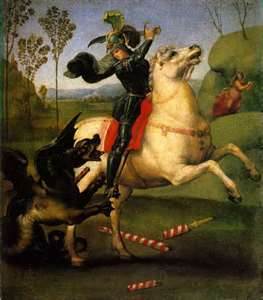 St. George the dragon slayer
Dragons in Folklore,
History, and Literature
Of course, not every culture viewed dragons as enemies to be defeated. In China, dragons became some of the most honored and meaningful mythic creatures of all. They were tied to rain, rivers, imperial authority, seasonal change, and heavenly power. Instead of being feared as purely destructive beasts, they were often respected as life-giving and majestic beings with a sacred place in the order of the world.
If that side of the story interests you, our page on chinese dragons is the perfect next step. That page introduces the roles Chinese dragons have played in folklore, symbolism, festivals, art, and belief. It helps explain why these dragons look different from Western ones and why they carry such positive meanings. For anyone who wants a fuller view of Dragons worldwide, this page adds essential depth.
Chinese dragon imagery is also one of the most beautiful and recognizable styles in the world. Long, flowing bodies, antler-like horns, whiskers, claws, and graceful movement give them a very different look from stocky Western Dragons. Their design often feels elegant rather than heavy, and powerful rather than savage. That artistic tradition has inspired painters, carvers, textile makers, and modern illustrators for centuries.
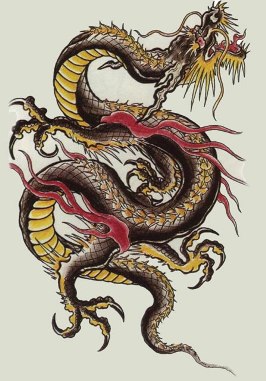 A Chinese dragon
If you’d like to focus on the visual side of that tradition, take a look at our page about chinese dragon drawing. This page is especially helpful for readers who want to study the shapes, movement, and details that make a Chinese dragon look authentic and expressive. It’s a fun way to connect folklore and art, and it can help you appreciate just how much meaning is built into the creature’s form.
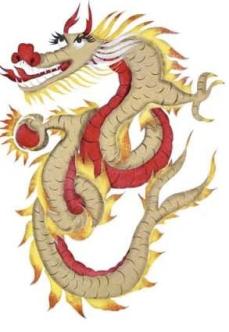 A Chinese dragon
Dragons in Folklore,
History, and Literature
Japan also has a rich and distinctive dragon tradition, though it shares some links with Chinese mythology. Japanese dragons are often associated with water, storms, the sea, and spiritual power. They appear in folklore, temple stories, and regional legends, and they often have a more sacred or mysterious tone than the purely monstrous dragons found in many Western tales.
The page about japanese dragons explores these traditions in more detail and shows how Japanese dragons developed their own identity. If you enjoy comparing myths across cultures, this is a great page to visit next. It helps you see both the shared roots and the unique features that make Japanese dragon stories so memorable and so important in East Asian folklore.
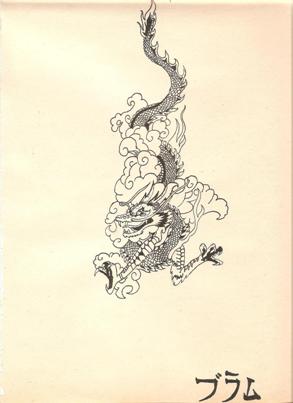 A Japanese dragon
One question nearly everyone asks at some point is simple: could dragons have been real? It’s a fascinating idea, and one that people have debated for a very long time. Ancient fossil discoveries, giant bones, crocodiles, snakes, and misidentified animals may all have helped inspire dragon legends. Human imagination did the rest, blending real natural wonders with fear, mystery, and storytelling.
If you’ve ever wondered about that possibility for yourself, "Are dragons real?" is the page to read. It looks at the question in a thoughtful and balanced way, exploring why dragon stories feel believable to so many people and what real-world discoveries may have influenced them. Even if the answer stays in the realm of legend, it’s still a fun and informative question to explore.
Dragons are not only fascinating to read about; they’re also incredibly fun to create. For many people, drawing a dragon is one of the best ways to connect with the creature’s power and personality. You can make one fierce, graceful, ancient, playful, or wise. That freedom is part of what makes Dragon drawing so appealing to artists of all ages and skill levels.
If you want help getting started, our starter about how to draw a dragon is a great resource. That page introduces practical steps for turning a dragon idea into a finished picture, whether you prefer a classic Western dragon, a softer fantasy style, or something entirely your own. It’s friendly, useful, and encouraging, especially if you’ve always wanted to draw dragons but weren’t sure where to begin.
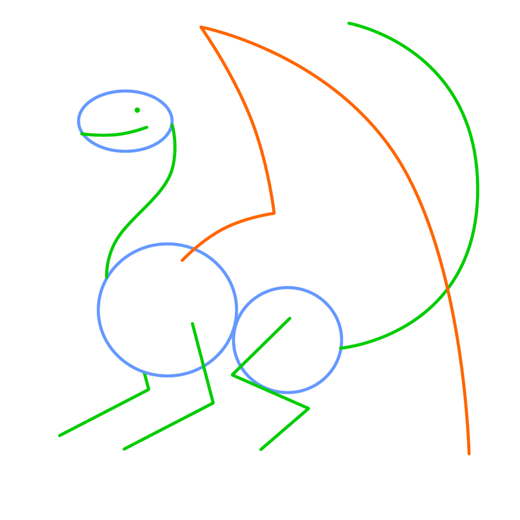 Starter outline of a dragon
Drawing dragons also teaches you something important about how these creatures are built in the imagination. Every choice matters, from the shape of the head to the size of the wings, the curve of the tail, and the kind of scales you add. A dragon designed for battle won’t look the same as one meant to rule storms or guard a hidden spring. Art helps bring those story ideas to life.
Our page about how to draw a dragon helps you to think about what kind of dragon you want to create and what mood it should have. In that sense, Dragon drawing serves as a bridge among folklore, storytelling, and personal creativity.
Dragons in Folklore,
History, and Literature
For younger readers, families, teachers, or anyone who enjoys relaxing, creative activities, coloring dragons can be just as rewarding as drawing them from scratch. Coloring invites you to explore dragon shapes and personalities in a stress-free way. You can stick with traditional shades or imagine bright, magical creatures in gold, blue, green, red, or any color that fits your vision.
If that sounds like fun, be sure to visit dragon coloring pages. This page offers a creative way to enjoy dragons while also noticing the details that make each design unique. It’s perfect for a rainy afternoon, a classroom activity, or just a quiet moment when you want something imaginative and easy to enjoy.
 A dragon to color in
Literature has done a lot to keep dragons alive in the modern imagination. In older stories, dragons often tested heroes and stood at the edge of the known world. In modern fantasy, they may speak, form friendships, protect kingdoms, or become central characters in their own right. Writers have expanded what dragons can be, while still keeping the wonder that made them famous in the first place.
You can see this shift clearly when you compare ancient myths with newer books and films. A dragon that once stood for chaos may now stand for intelligence, loyalty, or lost wisdom. That change tells us something about ourselves. As readers, we’ve become more interested in complexity, and dragons are perfect for that. They can still be dangerous, but they can also be noble, tragic, or deeply misunderstood.
Another reason dragons remain so popular is that they sit right on the border between fear and fascination. They are powerful enough to terrify us, yet beautiful enough to admire. They belong to mountains, skies, caves, oceans, and storms, all the places that already stir human imagination. In a way, dragons give shape to the wildness of the world.
That may be why dragon stories show up again and again in so many cultures that had no direct contact with one another. Humans everywhere have looked at lightning, floods, deep forests, giant reptiles, and ancient bones and tried to make sense of them. Dragons became one answer: a mighty creature that explained danger, power, mystery, and the forces of nature vividly and unforgettably.
It’s also worth remembering that dragons are not fixed in one form. Some have wings, while others do not. Some breathe fire, while others command rain or rivers. Some hoard treasure, and others guard wisdom, sacred places, or royal authority.
The more dragon lore you explore, the more you see that Dragons are a whole family of legendary ideas rather than one simple creature type.
Dragons in Folklore,
History, and Literature
That variety is what makes learning about them so rewarding. You can start with one familiar image and then discover a whole world of meanings behind it. Maybe you’re drawn to medieval legends, or maybe East Asian dragons speak to you more. Maybe you’re here because of books, art, or pure curiosity. However you arrived, dragons offer an amazing path into folklore, history, and creative imagination.
If you want to keep exploring, the pages linked throughout this guide can help you go deeper in the direction that interests you most. Whether you choose medieval stories, Chinese and Japanese traditions, the history of dragons, or the question of whether dragons are real, each topic adds another layer to the larger picture. Together, they show just how rich and far-reaching dragon lore really is.
And if you’re in a creative mood, the drawing and coloring pages are a great way to turn what you’ve learned into something hands-on. Sometimes the best way to understand a legendary creature is to try imagining it for yourself. Once you start sketching scales, horns, claws, and wings, you begin to notice how much personality and symbolism can be packed into a single dragon design.
Dragons endure because they speak to something deep in us: wonder, courage, mystery, danger, beauty, and the thrill of the unknown. They belong to old myths, medieval legends, sacred traditions, and modern stories all at once. So if you’re ready to learn more, follow the links on this page and keep exploring. The world of dragons is vast, captivating, and always ready to open its wings a little wider.
Brightown 12 Pack LED Fairy Lights

Perfect for both everyday decorations as well as holiday decor. Easy to bend it to any shape or wrap it on anything you want like photos, shelves, walls, mirrors, crafts, furniture, wreaths, trees, branches, plants, flowers, or wedding déco! Indoor or outdoor use.
Click here for availability and best price on Amazon!
Most Popular!

Sequel to When the Moon Hatched - a vibrant world with mysterious creatures, a unique magic system, and a love that blazes through the ages!
CLICK HERE for availability and best price!
Recent Articles


-
Fairy Coloring Pages
Jun 14, 26 06:13 AM
 Fairy coloring pages and drawings to be printed
 -
Accessories For A Fairy Garden - Bring Magic To Your Backyard!
Jun 14, 26 06:05 AM
 Find the best accessories for a fairy garden - be inspired by our magical selection for your fairy world - be the envy of your neighbors!
 -
Fairy Tail Video Games
Jun 12, 26 03:43 AM
 Fairy Tail Video Games! Find out what makes Fairy Tail such a great fit for video games, and all about the franchise that has built a gaming legacy!