- Home
- Things and places named Fairy
- Facts About the Fairy Penguin
Facts about the Fairy Penguin
Facts About the Fairy Penguin: Everything You Need to Know!
If you've ever wanted to learn some amazing facts about the fairy penguin, you've come to the right place! These tiny, adorable birds are truly one of nature's most fascinating creatures.
Whether you stumbled across them on a nature documentary or you're planning a trip to Australia or New Zealand, there's so much to discover about these little guys. So let's dive right in and explore what makes the fairy penguin one of the most unique and lovable creatures on the planet.
Fairy Garden Accessories for Outdoor Miniature Village

Transform your outdoor space into a whimsical retreat with fairy garden decor; perfect for creating magical scenes with fairy garden accessories that spark imagination.
Click here to check availability and pricing on Amazon!
Facts about the Fairy Penguin
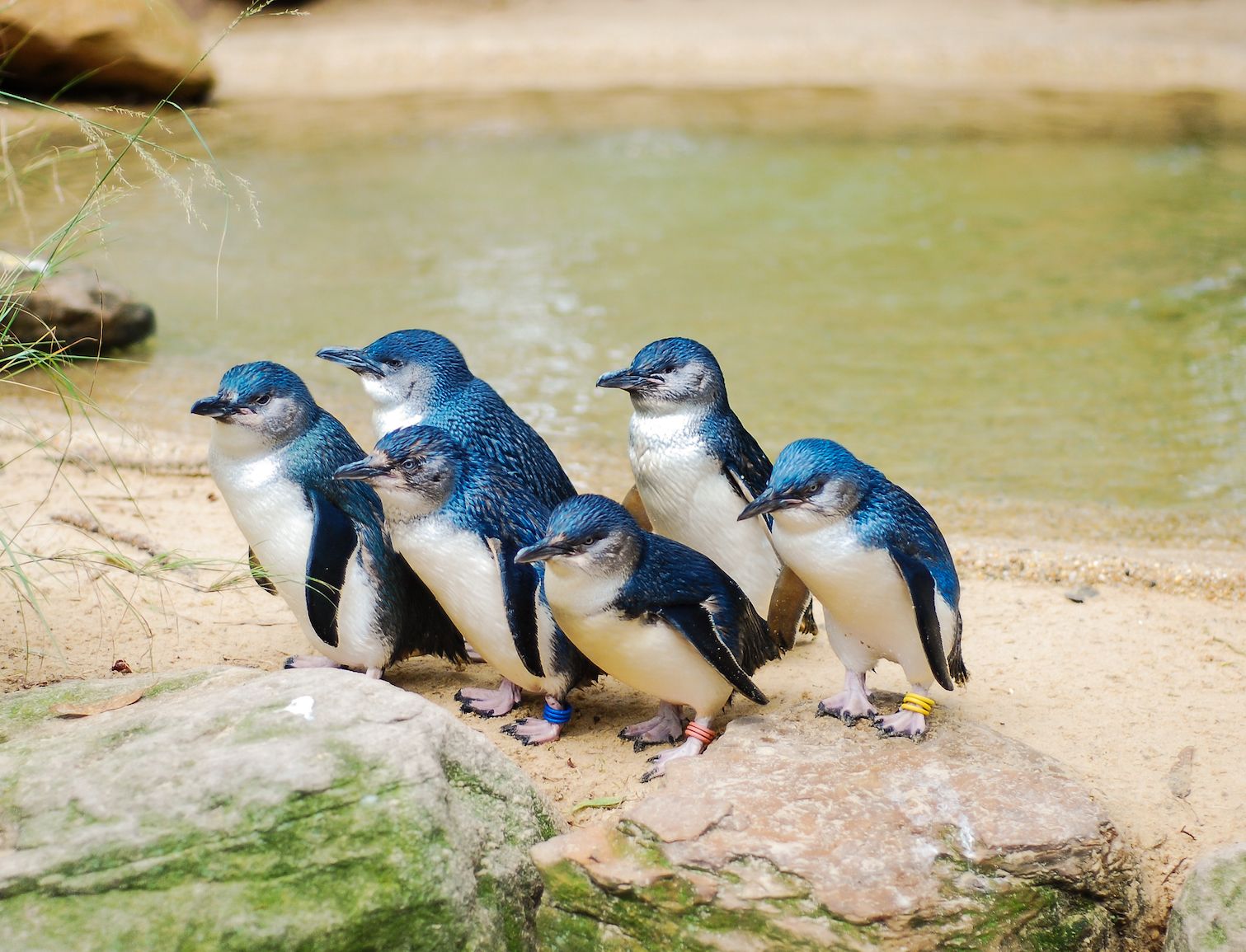
So, what is a fairy penguin, exactly? The fairy penguin, also known as the little penguin or little blue penguin, is the smallest species of penguin in the entire world. Its scientific name is *Eudyptula minor*, which actually translates to "good little diver" in Greek — and trust us, that name is well earned!
They're called "fairy" penguins partly because of their tiny size and partly because of their magical, almost mythical appearance when they emerge from the ocean at dusk.
One of the most well-known facts about the fairy penguin is just how small they really are. These little birds stand only about 13 inches (33 centimeters) tall — roughly the height of a standard ruler. They weigh in at around 2 to 3 pounds (about 1 to 1.5 kilograms).
To put that in perspective, they're about the size of a small house cat! Despite their tiny stature, don't let their size fool you — these birds are incredibly tough and resilient.
Appearance
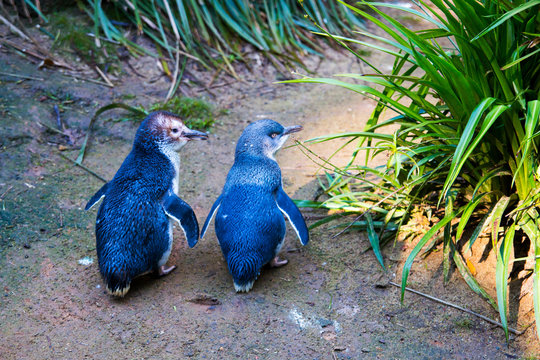
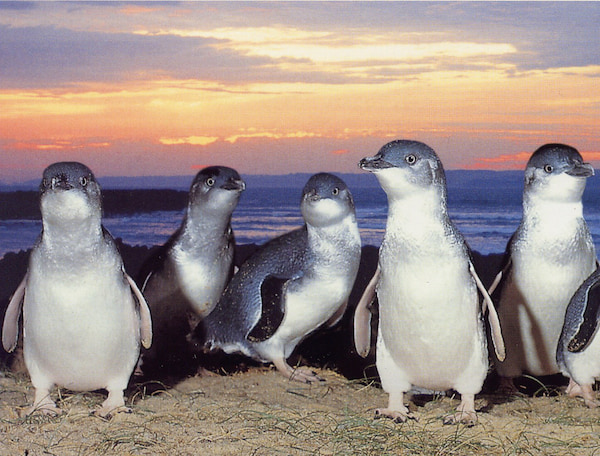
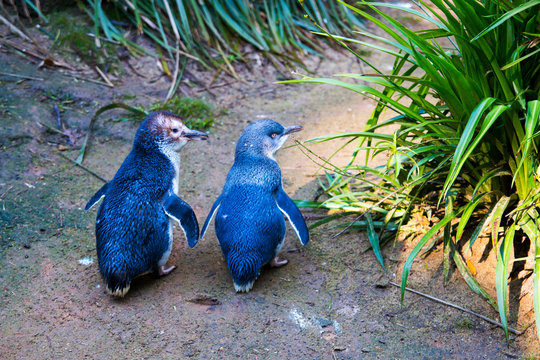
When it comes to their appearance, fairy penguins are pretty distinctive. Unlike the classic black-and-white look you might picture when you think of penguins, fairy penguins sport a gorgeous indigo-blue color on their backs and heads, with a white underbelly. This coloring actually serves a purpose — it's called countershading.
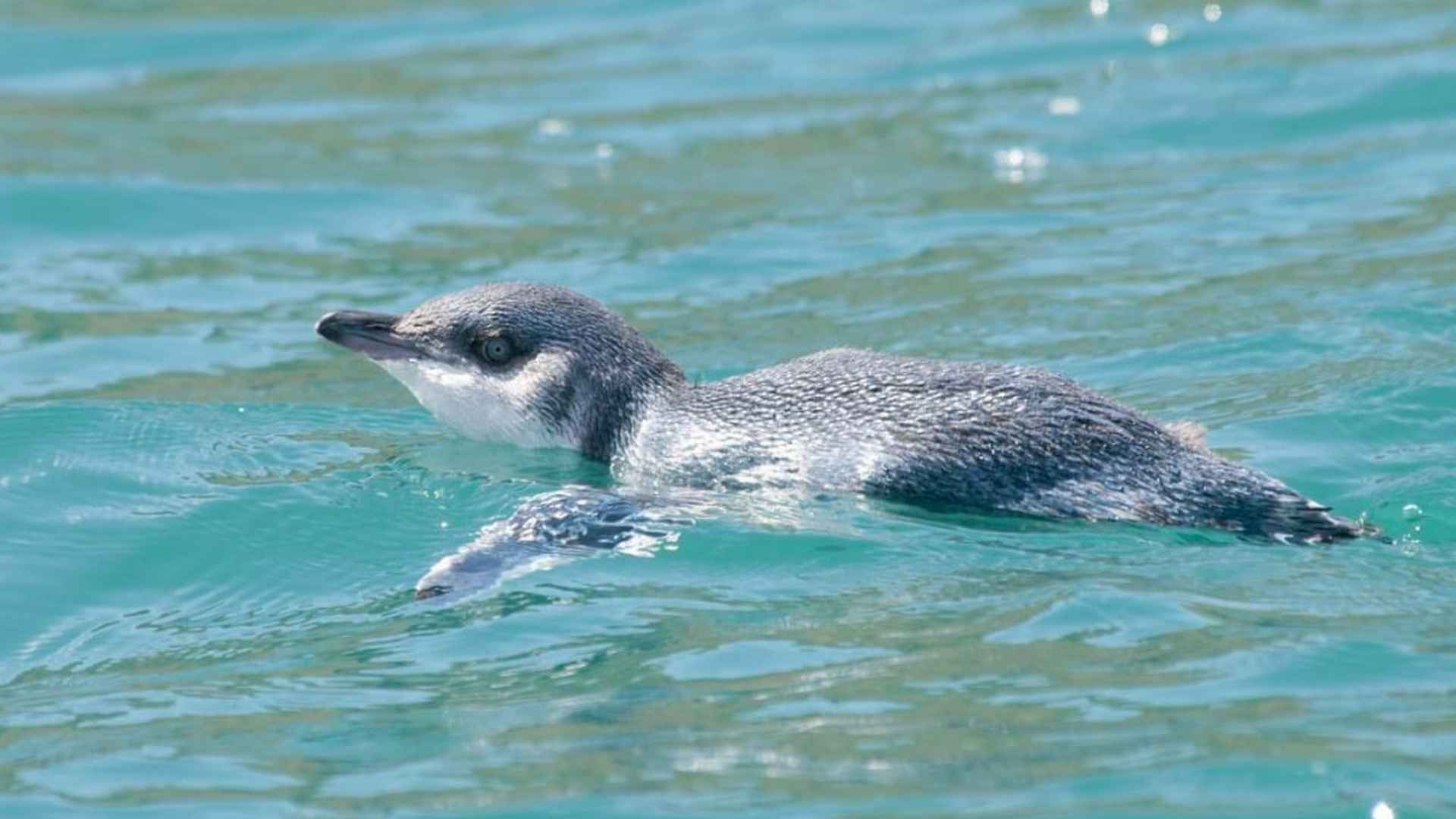
When they're swimming, the dark blue on top makes them hard to spot from above, while the white belly blends in with the lighter surface of the water when viewed from below. Pretty clever, right?
 A Fairy Penguin Swimming
Location
Now let's talk about where these little guys call home. Fairy penguins are found along the coastlines of southern Australia and New Zealand. In Australia, you can spot them along the southern coastline, including places like Phillip Island in Victoria, which is one of the most famous fairy penguin viewing spots in the world.
In New Zealand, they're found along the coasts of both the North and South Islands. They tend to prefer temperate coastal waters, so you won't find them hanging out in the icy Antarctic like some of their larger cousins.
Mogsy, the site owner, saw a fairy penguin when kayaking in the Abel Tasman National Park in New Zealand! Super cute!
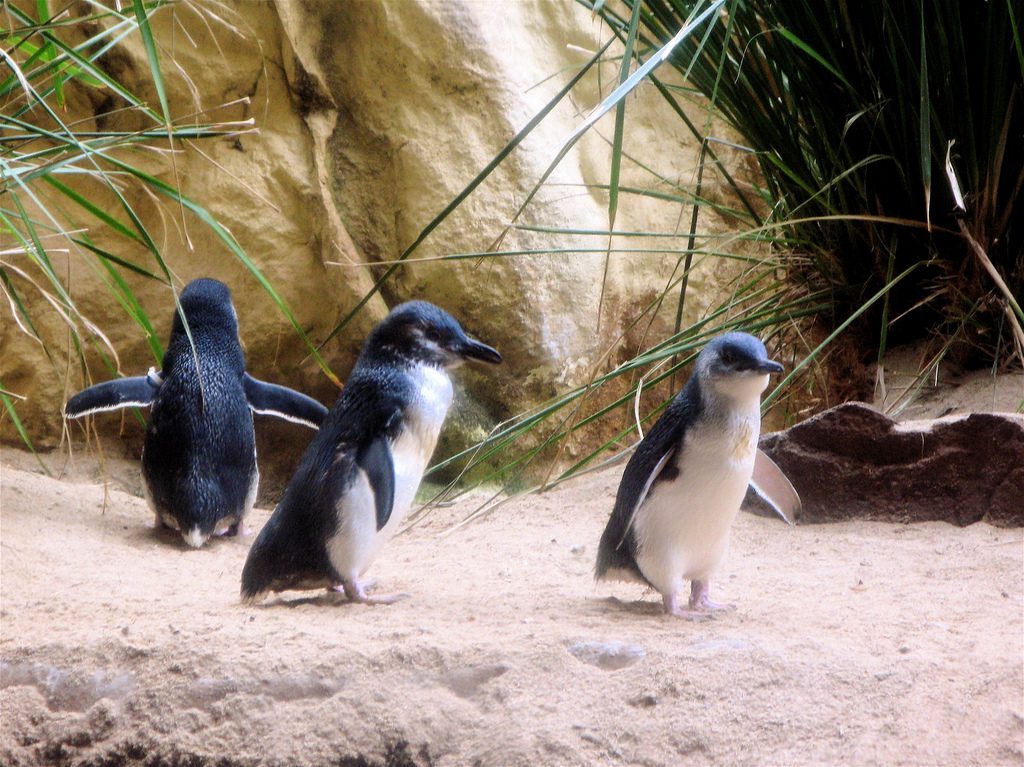
Their habitat is pretty interesting too. Fairy penguins spend a lot of their time in the ocean, but they come ashore to breed, raise their chicks, and rest. On land, they nest in burrows, rock crevices, or under dense vegetation.
They're actually quite secretive about their nesting spots and tend to return to the same burrow year after year. These burrows help protect them from predators and harsh weather conditions, making them a critical part of the fairy penguin's survival.
The Penguin Parade
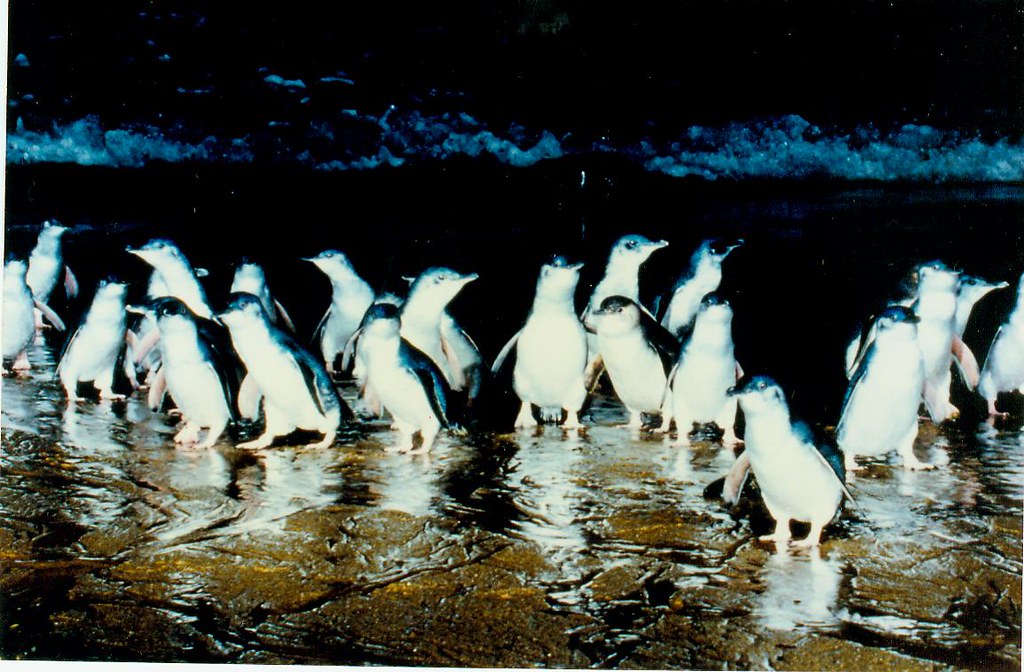 Fairy Penguins at Phillip Island
One of the most fun and interesting facts about fairy penguins is their famous "penguin parade." Every evening at sunset, groups of fairy penguins emerge from the ocean and waddle up the beach in groups called "rafts" or "parades."
This behavior is most famously observed at Phillip Island, where thousands of tourists gather each year to watch the spectacle. The penguins come ashore in groups for safety - there's strength in numbers when it comes to avoiding predators like foxes and sea eagles.
Where Will You Stay Near Phillip Island?
Find your accommodation here!
Facts About The Fairy Penguin
Diet
Let's talk about what fairy penguins eat, because their diet is actually pretty impressive for such a small bird. Fairy penguins are carnivores and primarily feed on small fish, squid, and krill. Some of their favorite fish include anchovies, pilchards, and arrow squid.
They're incredible hunters underwater, using their flippers to "fly" through the water at speeds of up to 4 miles per hour (6.5 kilometers per hour). They can dive to depths of around 200 feet (60 meters) in search of food, which is remarkable for a bird their size.
 Fast Swimmers and Deep Divers!
Facts about the Fairy Penguin
Fairy penguins are also surprisingly social creatures. They live in colonies, which can range from just a few dozen birds to several thousand. Within these colonies, they communicate using a variety of vocalizations - barks, brays, and growls - that can sound almost like a tiny dog or even a donkey!
Each penguin has its own unique call, which helps mates and chicks recognize each other even in a crowded, noisy colony. It's like having their own little language!
Reproduction
When it comes to reproduction, fairy penguins are monogamous - meaning they typically mate with the same partner year after year. Breeding season usually kicks off between July and February.
The female lays two eggs in a burrow, and both parents take turns incubating the eggs for about 35 days. Once the chicks hatch, both parents share the responsibility of feeding and protecting them.
The chicks grow quickly and are ready to head out to sea on their own in about 7 to 8 weeks.
An Interesting Fact!
Here's one of those interesting facts about fairy penguins that might surprise you - they actually molt once a year. Molting is the process where they shed their old feathers and grow new ones. During this time, which lasts about two to three weeks, they can't go into the water because their feathers aren't waterproof.
So they stay on land, eating as much as possible beforehand to build up fat reserves to survive the molting period. It's basically like going through a complete wardrobe change - all at once!
Lifespan of the Fairy Penguin
Fairy penguins are also known for being pretty long-lived for small birds. In the wild, they typically live between 6 and 7 years, but some individuals have been known to live up to 20 years!
Their lifespan depends a lot on factors like food availability, predation, and human impact. In captivity, where they're protected from many natural threats, they often live longer. The oldest known fairy penguin in the wild was recorded at an impressive 21 years old.
Facts about the Fairy Penguin
Population
Now, let's get into the population numbers, because this is an important part of understanding the fairy penguin's story. The current global population of fairy penguins is estimated to be around one million birds.
While that might sound like a lot, their numbers have been declining in certain areas due to threats like habitat destruction, pollution, climate change, and introduced predators such as foxes, cats, and dogs. Conservation efforts are ongoing to help protect and stabilize their populations.
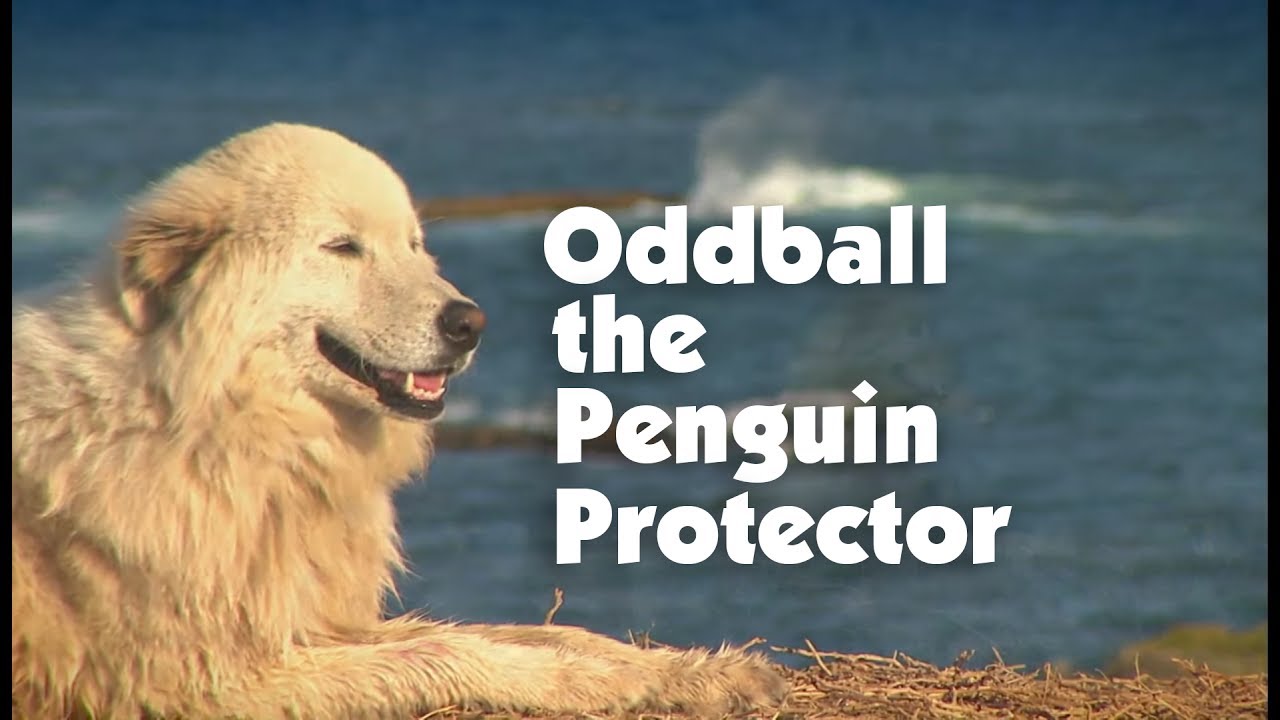
Speaking of conservation, there are some really inspiring efforts underway to protect fairy penguins. One of the most famous is the use of Maremma sheepdogs on Middle Island in Victoria, Australia.
Read more about Maremma sheepdogs here.
These large, fluffy dogs were trained to guard a small colony of fairy penguins from fox attacks. Before the program started, fox predation had reduced the colony to just a handful of birds. After the dogs were introduced, the colony grew significantly.
This story even inspired a popular Australian movie called *Oddball*, released in 2015!
You can purchase the Oddball DVD here.
Movement
Fairy penguins are also excellent swimmers, which is really one of their standout qualities. While they might look a little clumsy waddling around on land, in the water they're incredibly graceful and agile.
They can swim up to 25 miles (40 kilometers) in a single day while foraging for food. They use their wings as flippers and their feet as rudders to steer through the water with precision. It's amazing to think that such a tiny bird can cover so much distance in the ocean every single day.
Behavior
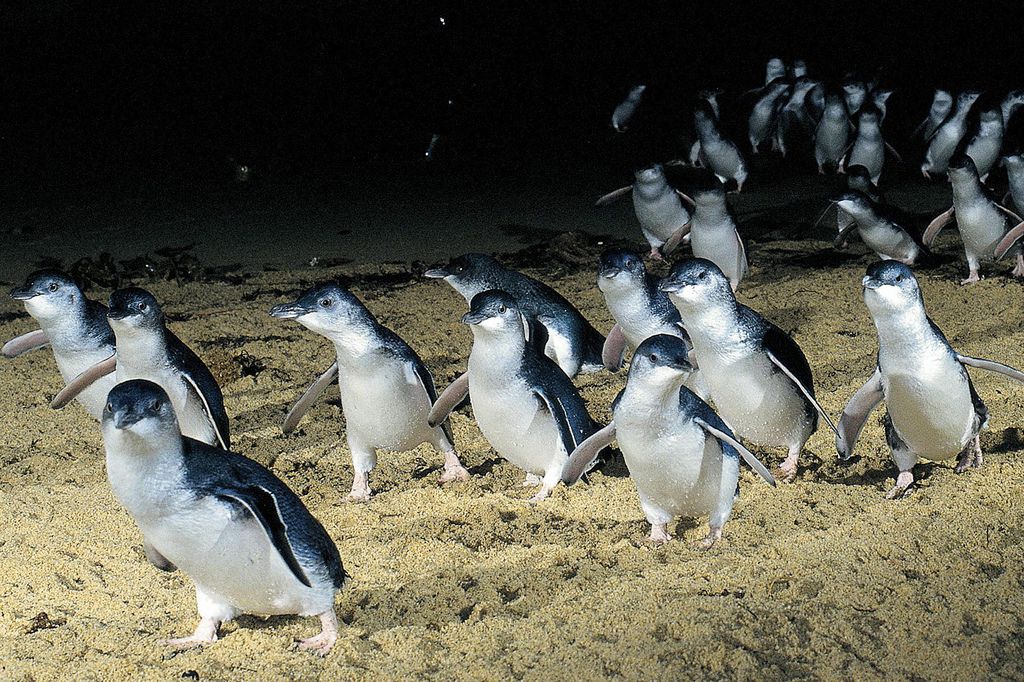
One fascinating behavioral trait of fairy penguins is their tendency to be nocturnal on land. They come ashore after dark and leave before dawn, which helps them avoid aerial predators like hawks and eagles.
Their blue coloring also helps camouflage them in the dim light of dusk and dawn. This nocturnal behavior is one of the reasons why the evening penguin parade at Phillip Island is such a magical experience - you're watching nature's own little stealth operation in action!
 Fairy Penguins at Dusk
Facts about the Fairy Penguin
Predators
Let's talk about some of the natural predators that fairy penguins have to deal with, because life isn't all cute waddling and fish dinners for these little birds.
In the water, they face threats from sharks, fur seals, and New Zealand sea lions. On land, introduced species like foxes, cats, dogs, and ferrets pose a serious danger. Even some large birds of prey can be a threat.
This is why living in groups and nesting in burrows is so important for their survival - safety really does come in numbers.
Did you know that fairy penguins have a special gland that helps them waterproof their feathers? It's called the preen gland, or uropygial gland, and it's located near the base of their tail.
Fairy penguins use their beaks to spread oil from this gland over their feathers, which keeps them waterproof and insulated in cold water. Without this, they wouldn't be able to survive in the ocean.
It's one of those little biological details that makes you appreciate just how well-adapted these birds really are.
A Fun Fact!
Here's another one of those fun facts about the fairy penguin that's sure to make you smile — they're actually quite vocal and expressive animals. Beyond their unique calls, they also use body language to communicate.
They'll bow to their mates, point their beaks to the sky, and even engage in mutual preening as a form of bonding.
Watching two fairy penguins interact is genuinely heart-warming - they're affectionate, attentive partners and parents who clearly put a lot of effort into their relationships.
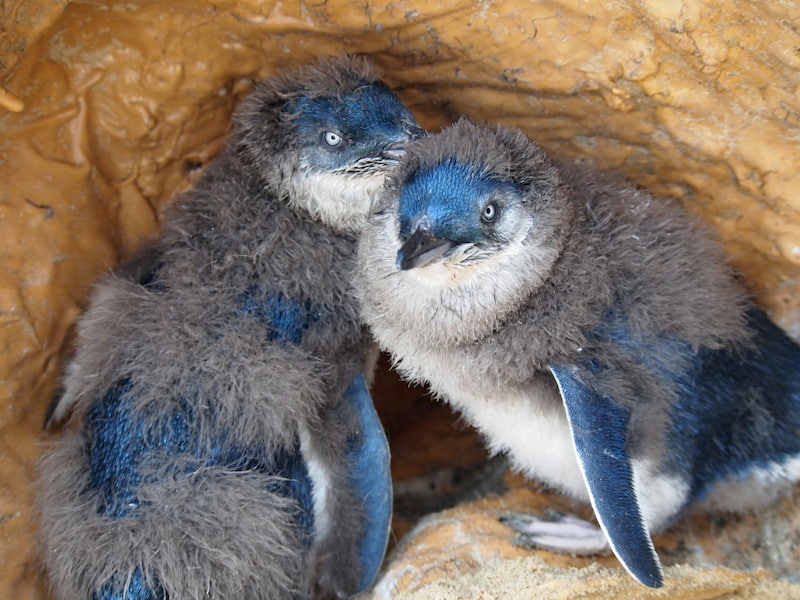 Fairy Penguin Cuddles!
Environmental Facts
Fairy penguins also play an important role in their ecosystem. As predators of small fish and squid, they help regulate the populations of these species in coastal waters.
At the same time, they serve as prey for larger marine animals, making them an important link in the food chain.
Their nesting activities also contribute to the health of coastal vegetation by aerating the soil and distributing nutrients. So these little birds are doing a lot more for the environment than you might think!
If you're lucky enough to visit a place where fairy penguins live, there are some important things to keep in mind. Always keep a respectful distance and never try to touch or feed them. Bright lights and loud noises can disturb and disorient them, so follow the guidelines set by wildlife rangers and tour operators.
Many viewing areas, like Phillip Island, have specially designed boardwalks and viewing platforms that let you observe the penguins without disturbing their natural behavior. Responsible wildlife tourism is key to ensuring these birds continue to thrive.
Click here to book a tour to Phillip Island from Melbourne with our trusted partner Viator and see the fairy penguins!
Conclusion
So there you have it - a full rundown of some of the most amazing facts about the fairy penguin! From their tiny size and stunning blue coloring to their incredible swimming abilities and devoted family lives, these little birds are truly remarkable in every way.
Whether you're a wildlife enthusiast, a student doing research, or just someone who loves learning cool things about animals, we hope this guide has given you a deeper appreciation for the fairy penguin.
They're small in size, but they're absolutely massive in personality and importance. Keep learning, keep exploring, and maybe one day you'll get to witness the magic of the penguin parade for yourself!
Have you seen a fairy penguin or seen the penguin parade?! We'd love to hear from you and find out where and when - do contact us and send in any photos that we can add to this page.
Brightown 12 Pack LED Fairy Lights

Perfect for both everyday decorations as well as holiday decor. Easy to bend it to any shape or wrap it on anything you want like photos, shelves, walls, mirrors, crafts, furniture, wreaths, trees, branches, plants, flowers, or wedding déco! Indoor or outdoor use.
Click here for availability and best price on Amazon!
Most Popular!

Sequel to When the Moon Hatched - a vibrant world with mysterious creatures, a unique magic system, and a love that blazes through the ages!
CLICK HERE for availability and best price!
Recent Articles


-
Fairy Coloring Pages
Jun 14, 26 06:13 AM
 Fairy coloring pages and drawings to be printed
 -
Accessories For A Fairy Garden - Bring Magic To Your Backyard!
Jun 14, 26 06:05 AM
 Find the best accessories for a fairy garden - be inspired by our magical selection for your fairy world - be the envy of your neighbors!
 -
Fairy Tail Video Games
Jun 12, 26 03:43 AM
 Fairy Tail Video Games! Find out what makes Fairy Tail such a great fit for video games, and all about the franchise that has built a gaming legacy!