- Home
- What is a Fairy?
- What Are the Fae
- What Is an Elf
- Lord of the Rings Elves
Lord of the Rings Elves
The Complete Guide to Lord of the Rings Elves: Everything You Need to Know
If you've ever watched the Lord of the Rings films or read Tolkien's books, you've probably been completely captivated by the elves. There's something truly magical about them - their grace, their wisdom, their almost otherworldly beauty.
The Lord of the Rings elves are some of the most richly developed characters in all of fantasy literature, and once you start digging into their history and lore, it's hard to stop. Whether you're a lifelong Tolkien fan or someone who just finished watching the movies for the first time, this guide is going to walk you through everything you need to know about these incredible beings.
Fairy Garden Accessories for Outdoor Miniature Village

Transform your outdoor space into a whimsical retreat with fairy garden decor; perfect for creating magical scenes with fairy garden accessories that spark imagination.
Click here to check availability and pricing on Amazon!
Lord of the Rings Elves
Who are the Elves?
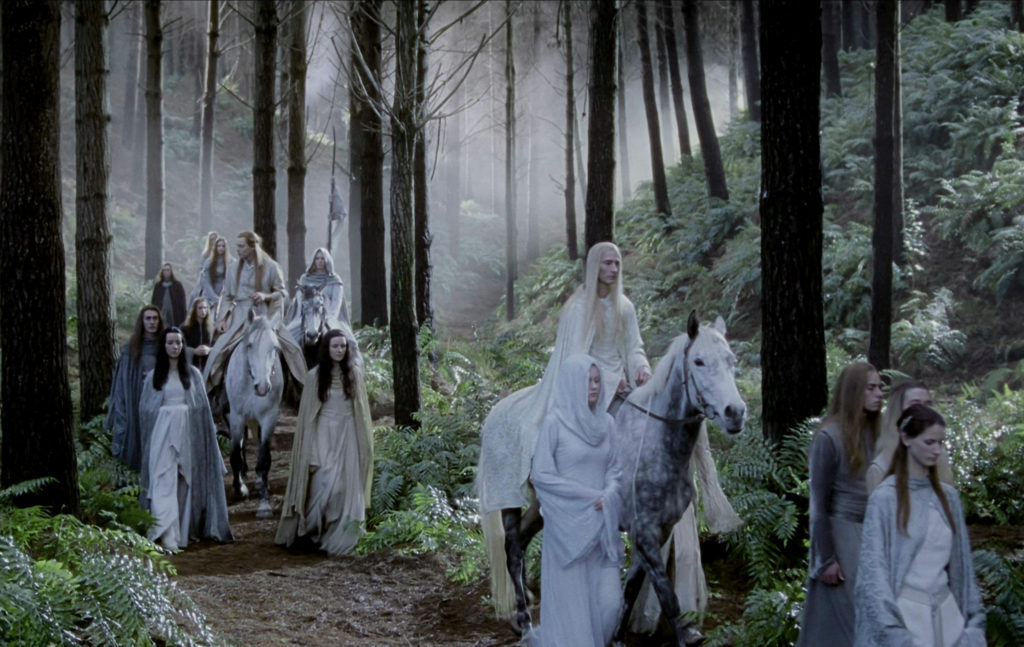
 Elves from Lord of the Rings
So, who exactly are the elves in Tolkien's world? In Middle-earth, elves are the firstborn children of Ilúvatar, which is basically the supreme creator god of Tolkien's universe.
They were the first sentient beings to awaken in the world, long before men or dwarves came along. Tolkien called them the "Elder Race," and that title really says it all.
They've been around since the very beginning, and their deep connection to the world around them gives them a perspective that no other race can match. They're immortal, meaning they don't die of old age, though they can be killed in battle or waste away from grief.
Characteristics
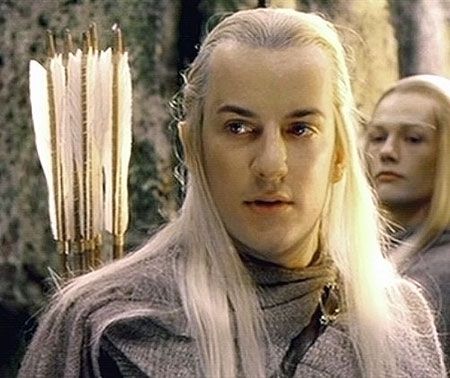 Silvan Elves
One of the most fascinating things about the Lord of the Rings elves is how different they are from the elves you might find in other fantasy stories.
Tolkien's elves aren't small, mischievous creatures. They're tall, elegant, and incredibly powerful. They possess a natural grace and beauty that sets them apart from all other races. Their senses are sharper than those of men, they move with an almost supernatural lightness, and they have a deep, innate connection to nature and to the spiritual fabric of the world.
They're also incredibly skilled - whether it's in combat, craftsmanship, or magic, elves tend to excel at just about everything they put their minds to.
Classifications
Now, here's where things get really interesting. The elves in Lord of the Rings aren't just one big group - they're divided into several distinct classifications, each with their own history, culture, and characteristics.
The broadest division is between the Eldar and the Avari. The Eldar were those elves who accepted the invitation from the Valar (angelic beings who shaped the world) to travel to the Undying Lands in the far west.
The Avari were those who refused and stayed behind in Middle-earth. This Great Journey, known as the Great March or the Sundering of the Elves, is one of the most important events in all of Tolkien's mythology.
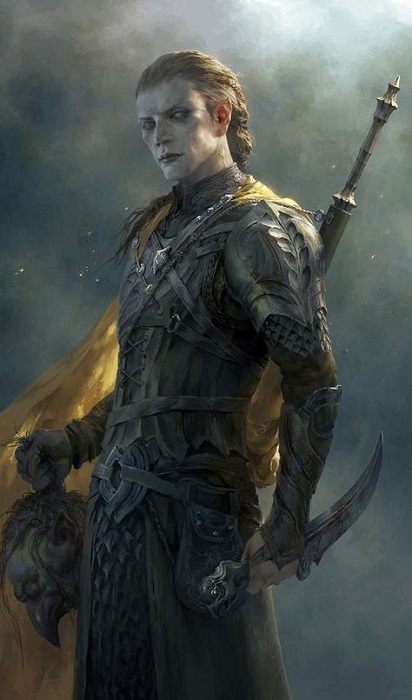 Avari - the Wild Elves in Middle-earth
Kindreds of the Eldar
Let's talk about the three main kindreds of the Eldar, because these are the groups you'll hear about most often when discussing Lord of the Rings elves.
Vanyar
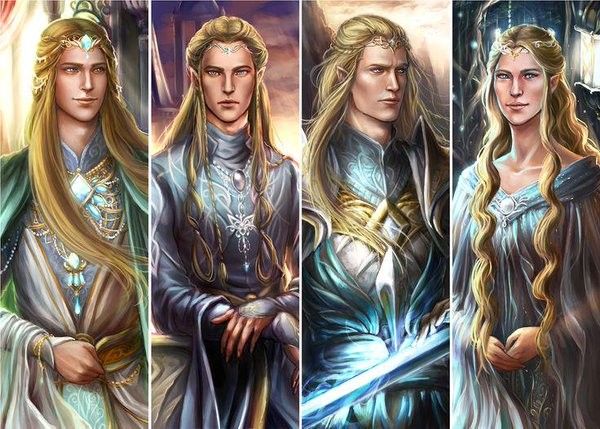 Vanyar Elves
The first and arguably most noble group is the "Vanyar". These elves were the first to set out on the Great March, and they were the most devoted to the Valar. The Vanyar are known for their golden hair, which is actually pretty rare among elves, and their deep love of poetry and song.
They were so beloved by the Valar that they never actually returned to Middle-earth, choosing to remain in the Undying Lands. Because of this, you won't encounter any Vanyar directly in the events of The Lord of the Rings.
Noldor
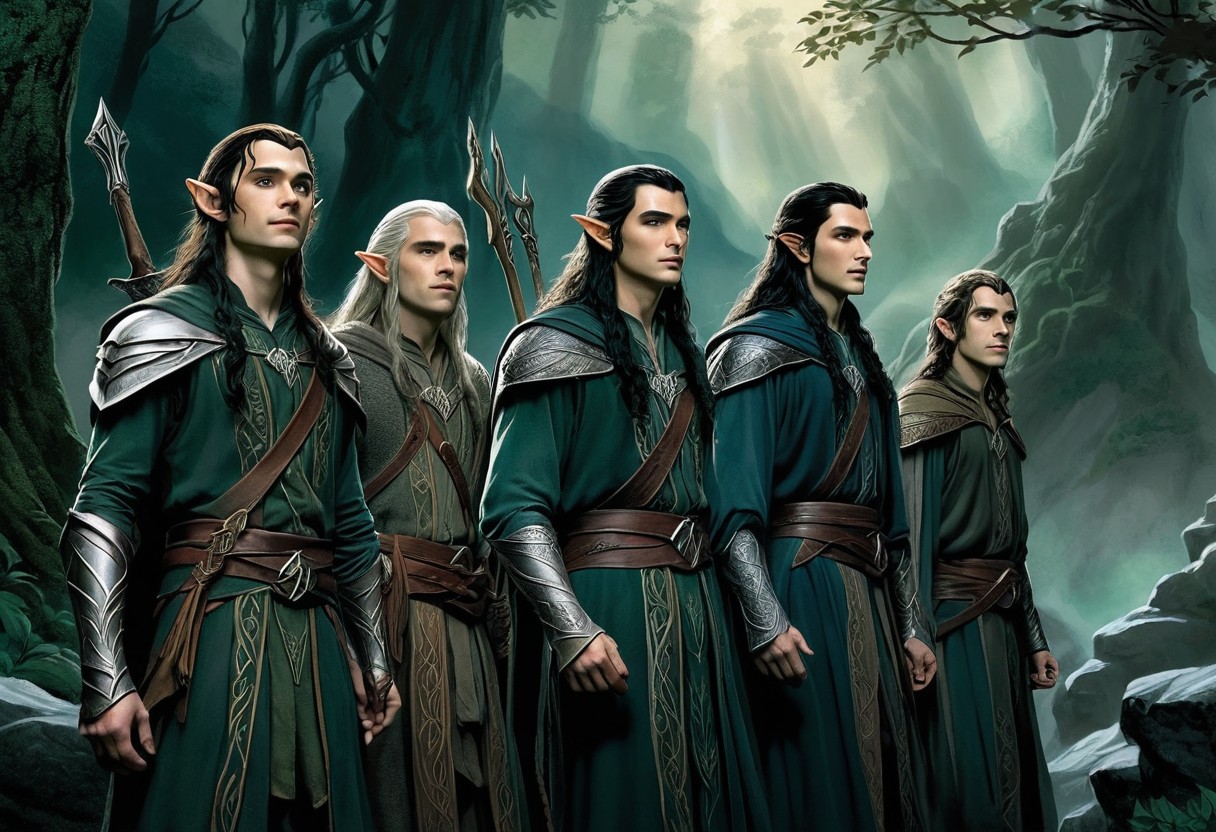 Noldor Elves
The second great kindred is the "Noldor", and this is where things get really dramatic. The Noldor are arguably the most famous of all the elven groups, largely because of their incredible skill, their pride, and their tragic history.
They're the craftsmen and scholars of the elven world — think of them as the intellectuals and inventors. The Noldor created the Silmarils, those legendary jewels that sparked one of the greatest conflicts in Middle-earth's history.
They also forged the Rings of Power, which, as you probably know, didn't exactly work out the way they planned. The Noldor are typically dark-haired and have a fierce, passionate nature that sets them apart from the other kindreds.
Teleri
The third major kindred is the "Teleri", and they're the largest of the three groups. The Teleri were the last to set out on the Great March, and many of them lingered along the way, which is why they eventually split into several sub-groups.
Some Teleri made it all the way to the Undying Lands, where they became famous as shipbuilders and lovers of the sea. Others stopped in Middle-earth along the way and became the Sindar (Grey Elves) and the Nandor.
The Sindar are particularly important to the story of Lord of the Rings, as they include some of the most well-known elven characters and kingdoms in Middle-earth.
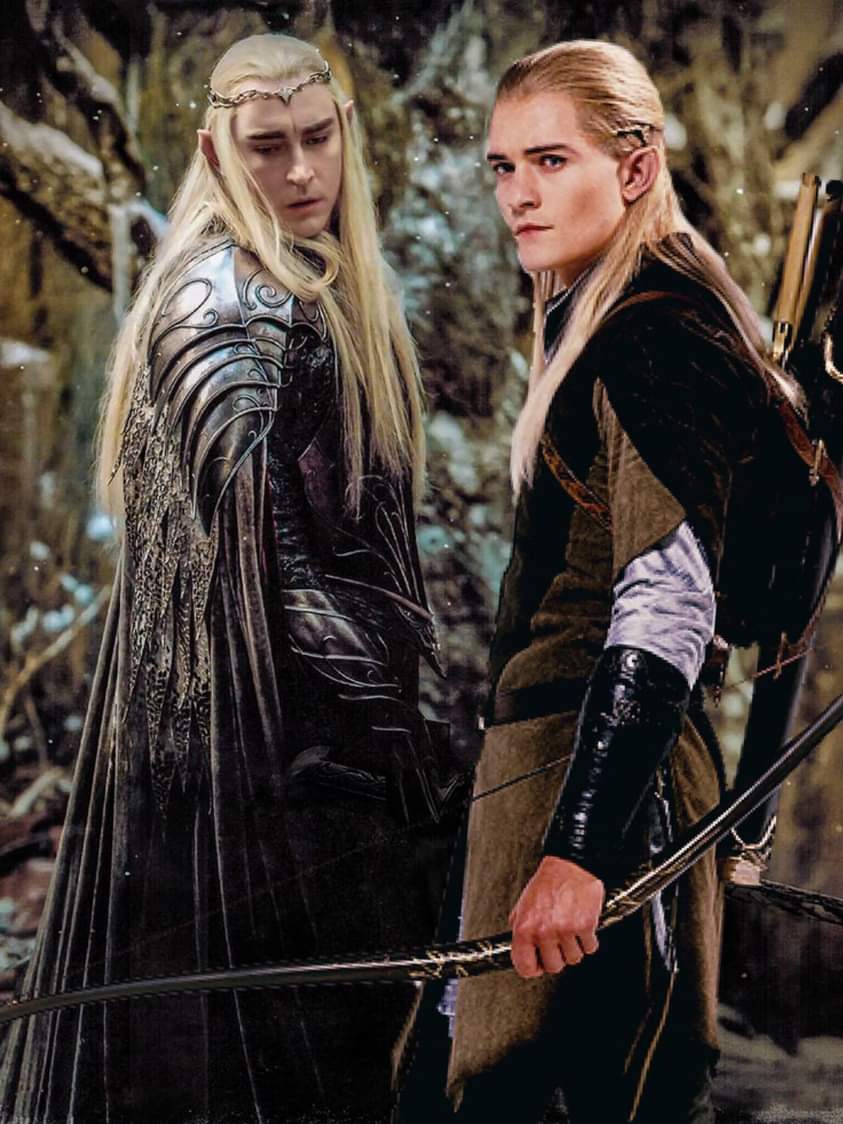 The Sindar (Grey Elves)
High Elves
You've probably heard the term "High Elves" mentioned, and it's worth taking a moment to explain what that actually means. High Elves, or Calaquendi, are those elves who actually made it to the Undying Lands and beheld the light of the Two Trees of Valinor.
This experience transformed them, giving them a greater power and radiance than other elves. In the context of The Lord of the Rings, most of the prominent elven characters, like Galadriel, Elrond, and Glorfindel, are considered High Elves or have High Elven heritage.
The term carries a lot of weight in Tolkien's world, and it's a mark of great distinction.
Lord of the Rings Elves
Notable Elves
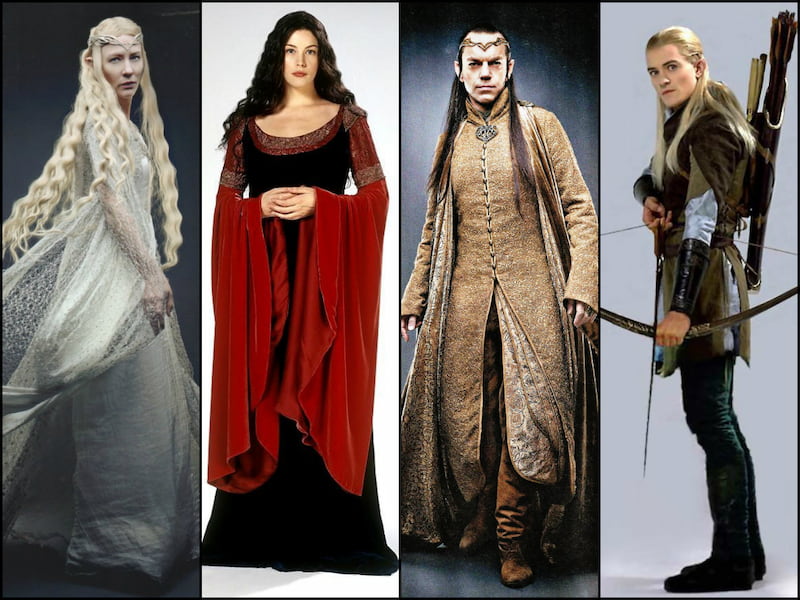
Galadriel
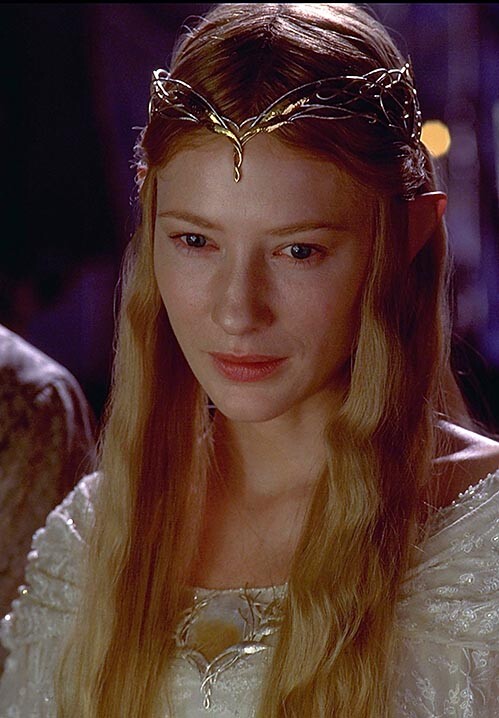 Cate Blanchett as Galadriel in the film
Now let's get into the really fun part - the notable elves themselves. You can't talk about Lord of the Rings elves without starting with "Galadriel". She is, without a doubt, one of the most powerful and awe-inspiring characters in all of Tolkien's work.
Galadriel is a Noldor elf of royal lineage, and she's been around since the very beginning of the world as we know it. She's the Lady of Lothlórien, the golden forest realm in Middle-earth, and she wields one of the three Elven Rings of Power - Nenya, the Ring of Water.
When the Fellowship visits Lothlórien, it's Galadriel who tests each member and offers them gifts that will prove crucial to their journey.
Elrond
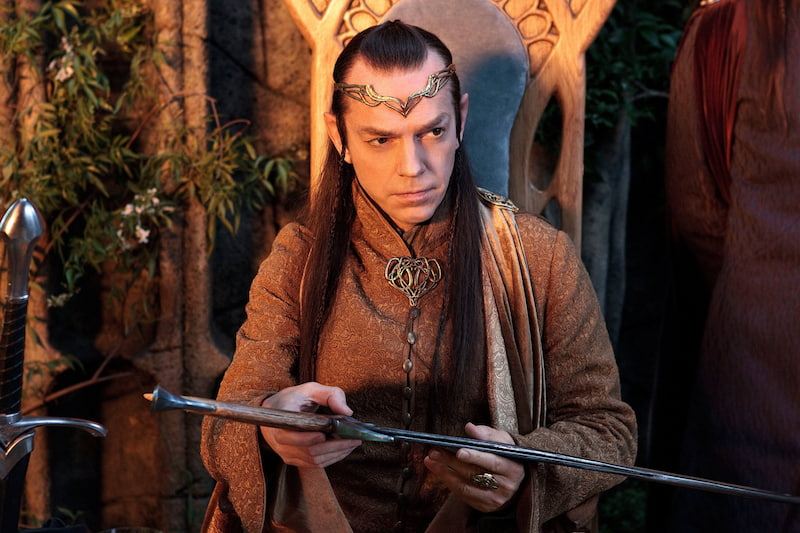 Elrond Half-elven
Another absolutely essential Lord of the Rings elf is "Elrond Half-elven". Elrond is fascinating because he's literally half-elven - his ancestry includes both elves and men, and at a certain point in history, he was given the choice to be counted among either race.
He chose to be an elf. Elrond is the lord of Rivendell, also known as Imladris, which is one of the most important elven strongholds in Middle-earth. It's in Rivendell that the Council of Elrond takes place, where the fate of the One Ring is decided.
Elrond is wise, ancient, and carries a deep sadness born from millennia of watching the world change and people he loves fade away.
Legolas
Of course, we can't forget "Legolas", who is probably the most recognizable Lord of the Rings elf for movie fans. Legolas is a Sindar elf and the son of Thranduil, the Elvenking of Mirkwood.
He's one of the nine members of the Fellowship of the Ring, and his incredible archery skills, agility, and sharp senses make him one of the most formidable warriors in the group.
In the films, Orlando Bloom brought Legolas to life in a way that made him iconic - whether he's sliding down stairs on a shield while shooting arrows or taking down a Mûmak single-handedly, Legolas has some of the most memorable action sequences in the entire trilogy.
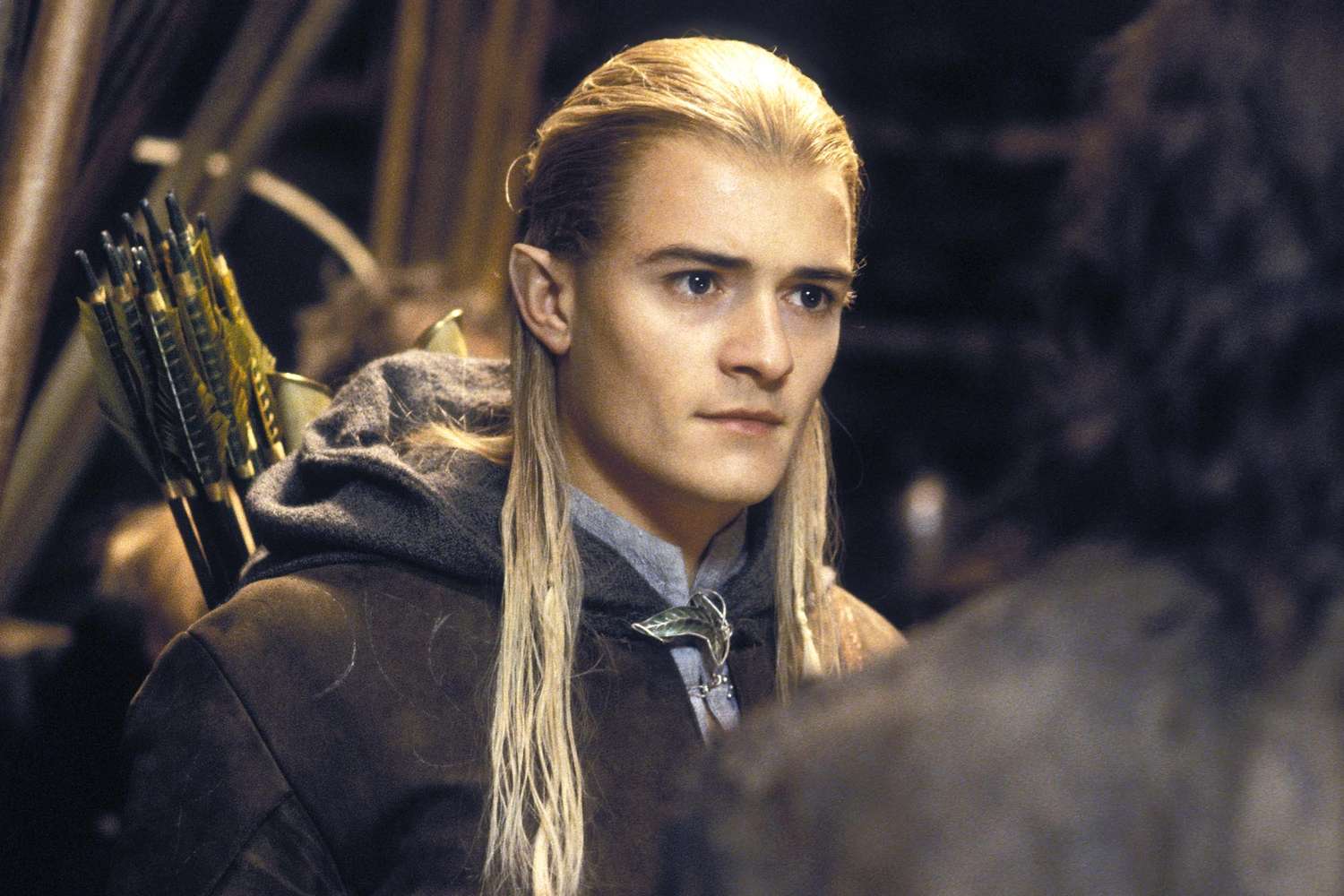 Orlando Bloom as Legolas
Arwen
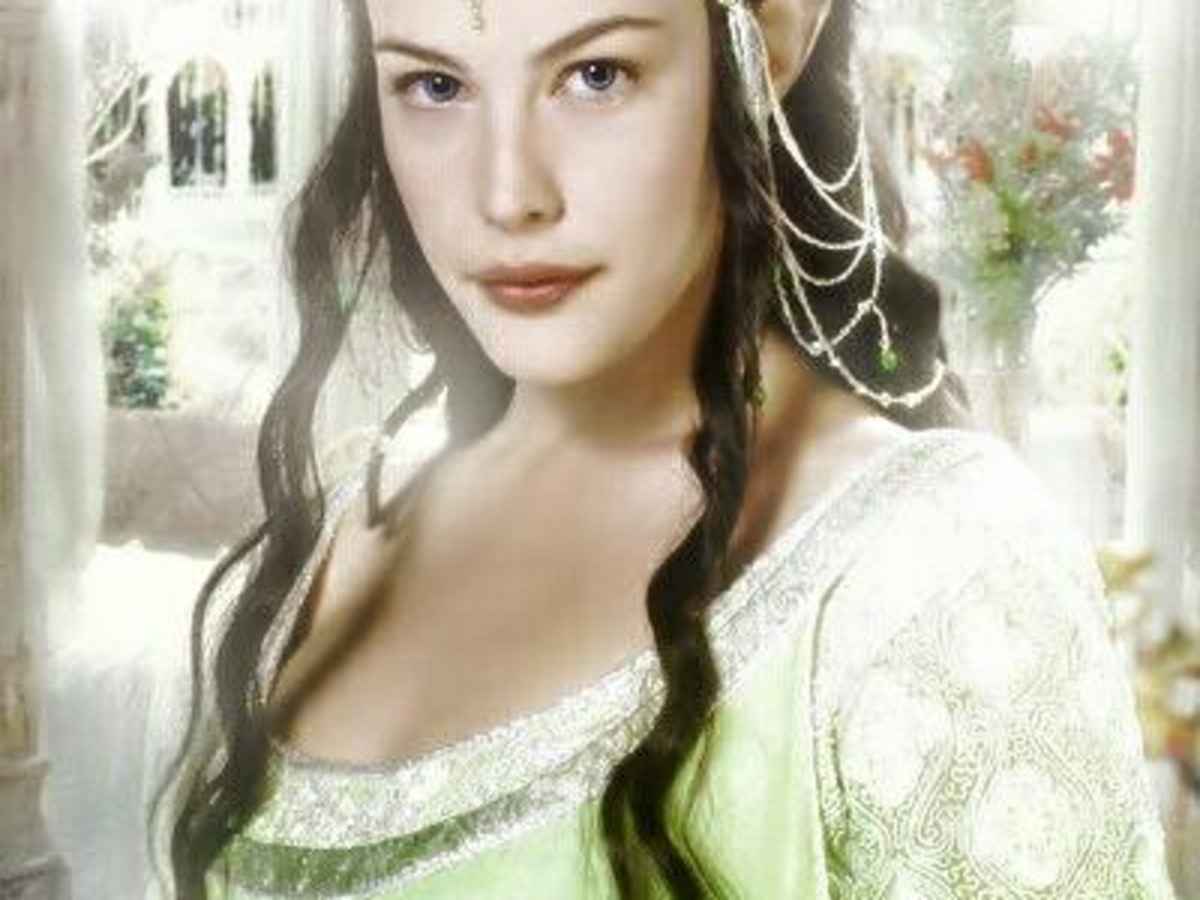 Beautiful Arwen
Then there's "Arwen", the daughter of Elrond, and she holds a very special place in the story.
Arwen is often called the "Evenstar of her people," and she's considered one of the most beautiful elves in the world. Like her father, she's of mixed heritage, and she faces a profound choice - to sail to the Undying Lands with her people or to give up her immortality and remain in Middle-earth with Aragorn, the man she loves.
Her love story with Aragorn is one of the most touching aspects of the entire Lord of the Rings saga, and her decision to become mortal is one of the most selfless acts in the whole story.
Glorfindel
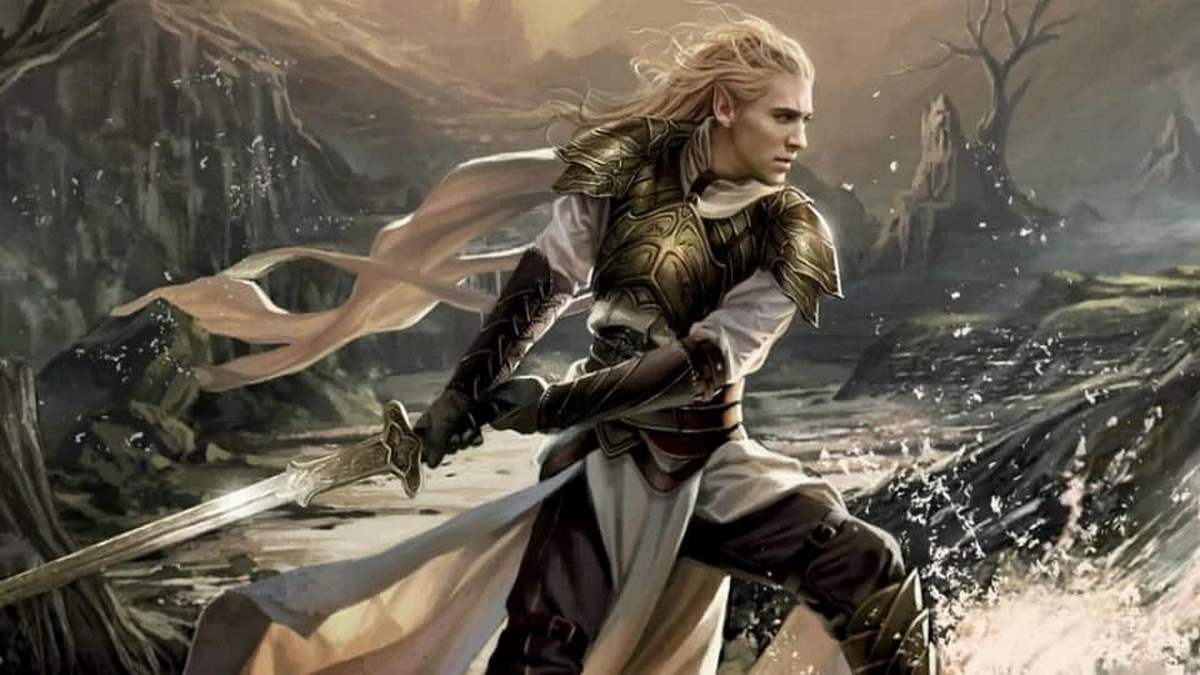 Glorfindel
Let's talk about "Glorfindel", because he's one of those characters who doesn't get nearly enough attention, especially in the films.
In the books, it's actually Glorfindel, not Arwen, who rescues Frodo at the Ford of Bruinen and drives back the Nazgûl. Glorfindel is an ancient Noldor elf of immense power, and his story is remarkable.
He actually died in the First Age fighting a Balrog (yes, like Gandalf's famous battle) and was later reincarnated and sent back to Middle-earth by the Valar.
By the time of the events in The Lord of the Rings, he's one of the most powerful beings in Middle-earth. His light is so bright that even the Nazgûl fear him.
Thranduil
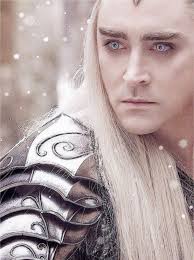 Thranduil
You also can't discuss elves in Lord of the Rings without mentioning "Thranduil", the Elvenking of Mirkwood and father of Legolas. Thranduil is a Sindar elf who rules the Woodland Realm in northern Mirkwood.
He's a complex character - proud, sometimes isolationist, and deeply protective of his people and his realm. In The Hobbit, he plays a significant role, imprisoning Thorin and his company of dwarves.
In The Lord of the Rings, his kingdom is one of the few elven strongholds still standing in Middle-earth. Lee Pace's portrayal of Thranduil in Peter Jackson's Hobbit films gave the character a memorable, regal, and slightly icy presence that fans absolutely loved.
Key Locations
Now let's talk about the key locations associated with Lord of the Rings elves, because the places they inhabit are just as fascinating as the elves themselves.
Rivendell
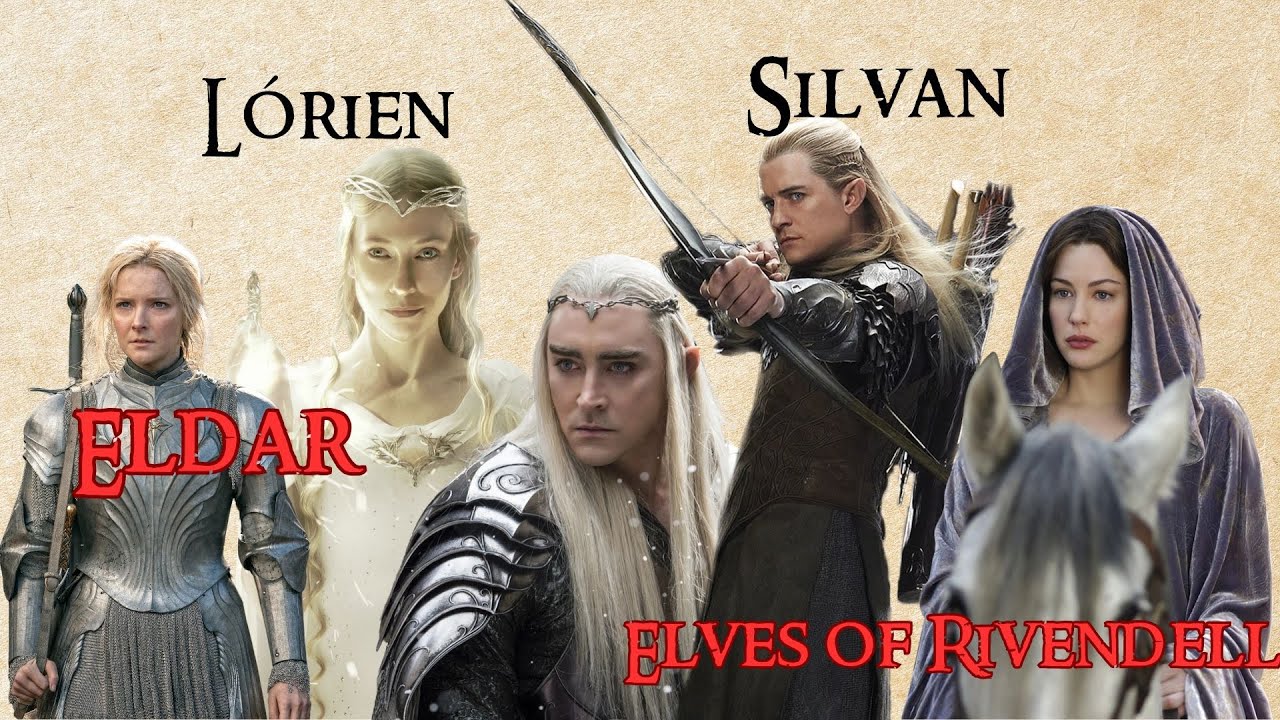
"Rivendell" (Imladris) is perhaps the most famous elven location. Nestled in a hidden valley in the Misty Mountains, it's described as one of the most beautiful places in Middle-earth.
It's a place of healing, learning, and refuge, and it's been a sanctuary for those in need for thousands of years. In both the books and the films, Rivendell has this incredible atmosphere of timeless peace - it feels like a place where the outside world can't quite reach you.
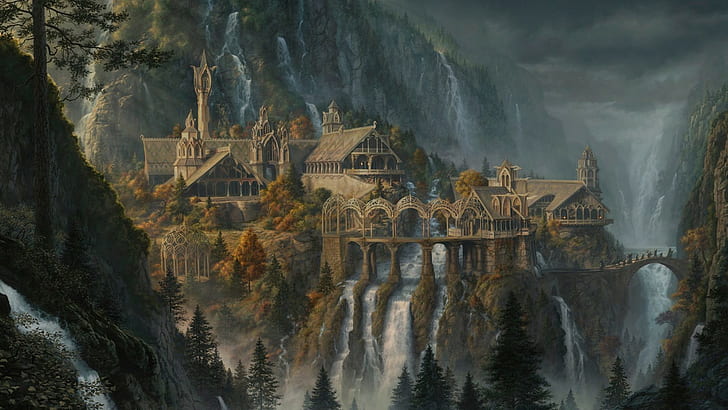 Rivendell
Lothlórien
"Lothlórien" is another breathtaking elven realm, and it's arguably even more magical than Rivendell. Located between the rivers Anduin and Celebrant, Lothlórien is the home of Galadriel and her husband Celeborn.
The forest is filled with mallorn trees, enormous, golden-leafed trees unlike anything else in Middle-earth, and the elves there live in platforms called flets high up in the branches.
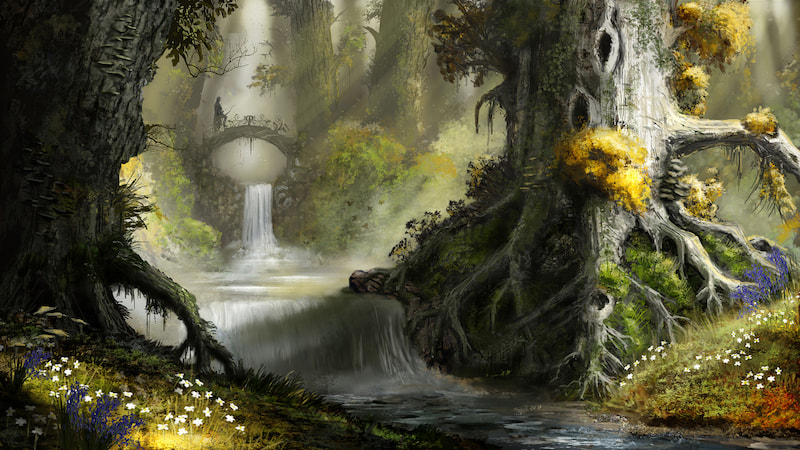 Lothlórien Forest
There's a sense of timelessness in Lothlórien that's almost eerie - it's as if the outside world has been kept at bay, and the realm exists in its own kind of eternal present. When the Fellowship enters, they feel like they've stepped into a dream.
Mirkwood
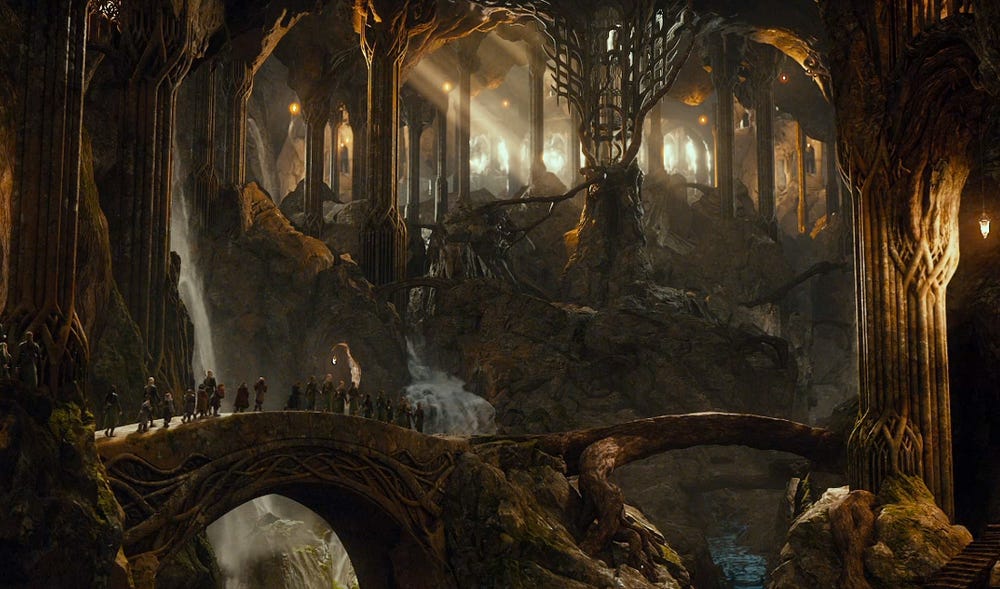 Mirkwood
"Mirkwood", or Eryn Lasgalen as it was later renamed, is the home of Thranduil and the Woodland Elves. Unlike the serene beauty of Rivendell or Lothlórien, Mirkwood has a darker, more foreboding atmosphere.
The forest was corrupted by the influence of Sauron's nearby stronghold of Dol Guldur, and it became filled with giant spiders and other dark creatures. Despite this, the Woodland Elves maintained their realm and their culture, and their kingdom in the northern part of the forest remained a place of beauty and festivity.
The contrast between the darkness of the forest and the warmth of the elven halls within it is one of the most compelling aspects of this location.
Grey Havens
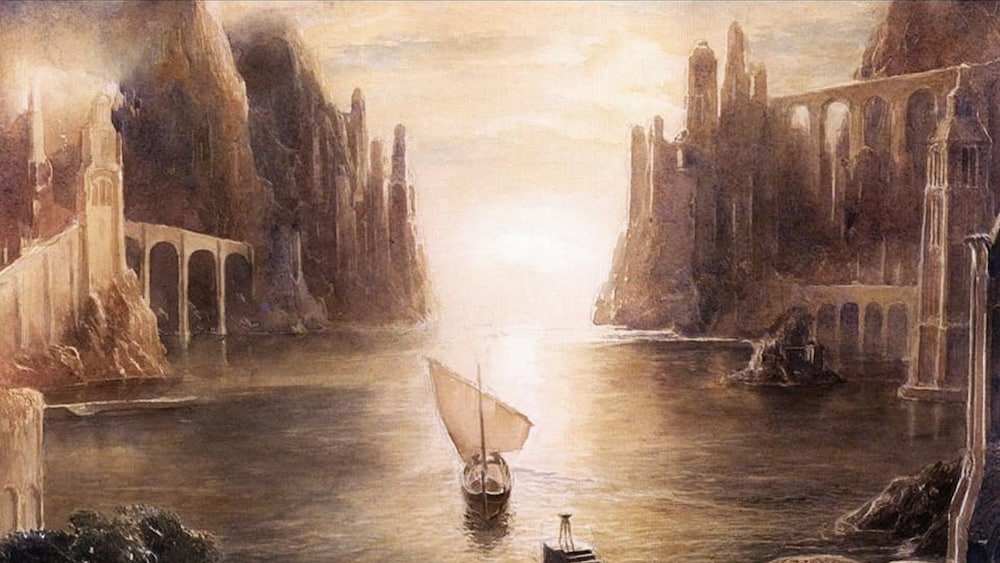 Grey Havens
The "Grey Havens", also known as Mithlond, is another incredibly important elven location, even though it doesn't feature as prominently in the main story.
Located on the western coast of Middle-earth, the Grey Havens is the port from which elves sail to the Undying Lands. It's overseen by Círdan the Shipwright, one of the oldest and wisest elves in Middle-earth.
The Grey Havens takes on profound emotional significance at the end of The Return of the King, when Frodo, Gandalf, Bilbo, Galadriel, and Elrond depart from Middle-earth forever. It's one of the most bittersweet moments in all of literature - a farewell to an age that will never come again.
Immortality
One of the most interesting aspects of elves in Lord of the Rings is their relationship with mortality and the passage of time. Elves are immortal, but that immortality comes with its own kind of burden. They watch the world change around them, they see the people they love grow old and die, and they carry the weight of thousands of years of memory.
Over time, many elves become weary of the world - this is called "fading" - and they feel a growing pull toward the Undying Lands. By the time of the events in The Lord of the Rings, the elven population in Middle-earth has been declining for centuries, and the end of the Third Age marks the final departure of the High Elves from the world.
Language and Art
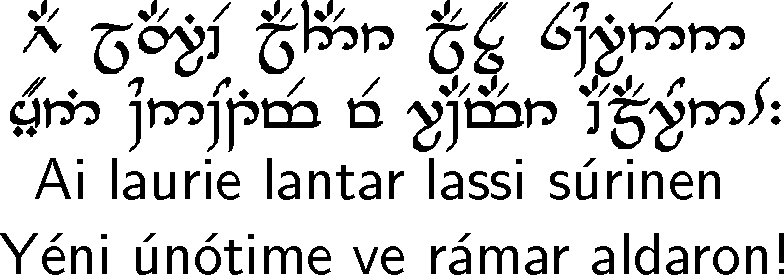 Quenya - language of the elves
The elves also have a fascinating relationship with language, art, and craft. Tolkien was a linguist by profession, and he created entire languages for his elves, most notably Quenya (the ancient, formal language of the Noldor) and Sindarin (the everyday language of the Sindar).
These aren't just made-up words thrown together - they're fully developed languages with their own grammar, vocabulary, and history. Many of the beautiful phrases and names you hear in the Lord of the Rings films are in Sindarin.
The elves also created the Tengwar script, a beautiful writing system that Tolkien designed in detail. Their love of language reflects their deep appreciation for beauty and meaning in all things.
Role of the Elves
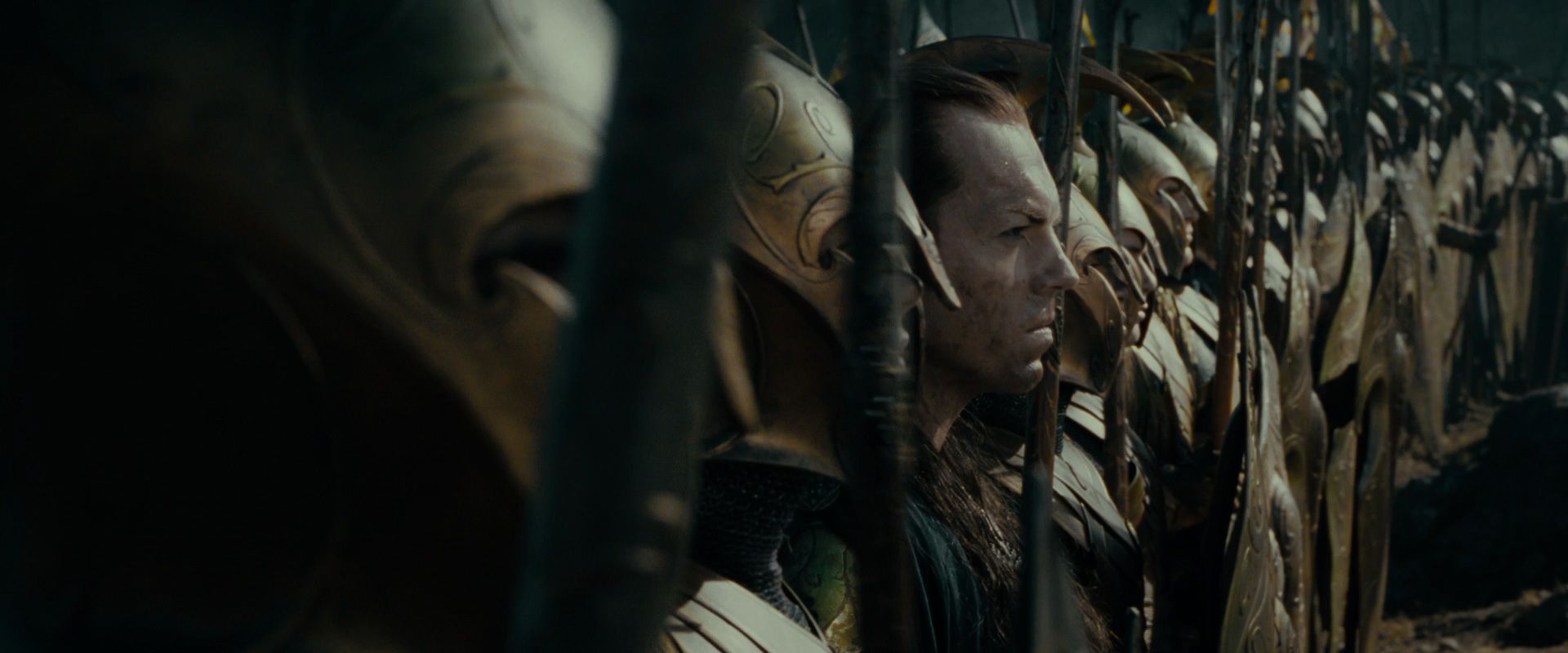 The Last Alliance of Elves and Men
It's also worth talking about the role that elves play in the broader conflict of The Lord of the Rings. The elves are deeply invested in the fight against Sauron - after all, it was the Noldor who forged the Rings of Power and were deceived by him in the first place.
Elrond and Gil-galad led the Last Alliance of Elves and Men against Sauron at the end of the Second Age, and it was during this battle that Isildur cut the One Ring from Sauron's hand.
By the Third Age, the elves are fighting a kind of rear-guard action - they know that their time in Middle-earth is ending, and the best they can hope for is to help ensure that the world they're leaving behind is in good hands.
Conclusion
Whether you're drawn to the Lord of the Rings elves because of their beauty, their power, their wisdom, or their tragic sense of impermanence, there's no denying that they're one of the greatest achievements in fantasy world-building.
Tolkien spent decades developing their history, their languages, their culture, and their mythology, and the result is a race of beings that feel genuinely real and deeply compelling.
From the golden-haired Vanyar to the fierce Noldor, from the graceful Sindar to the ancient High Elves, every aspect of elven culture is rich with meaning and detail.
The elves in Lord of the Rings aren't just characters in a story - they're a window into a whole other world, and once you step through it, you'll never quite want to leave!
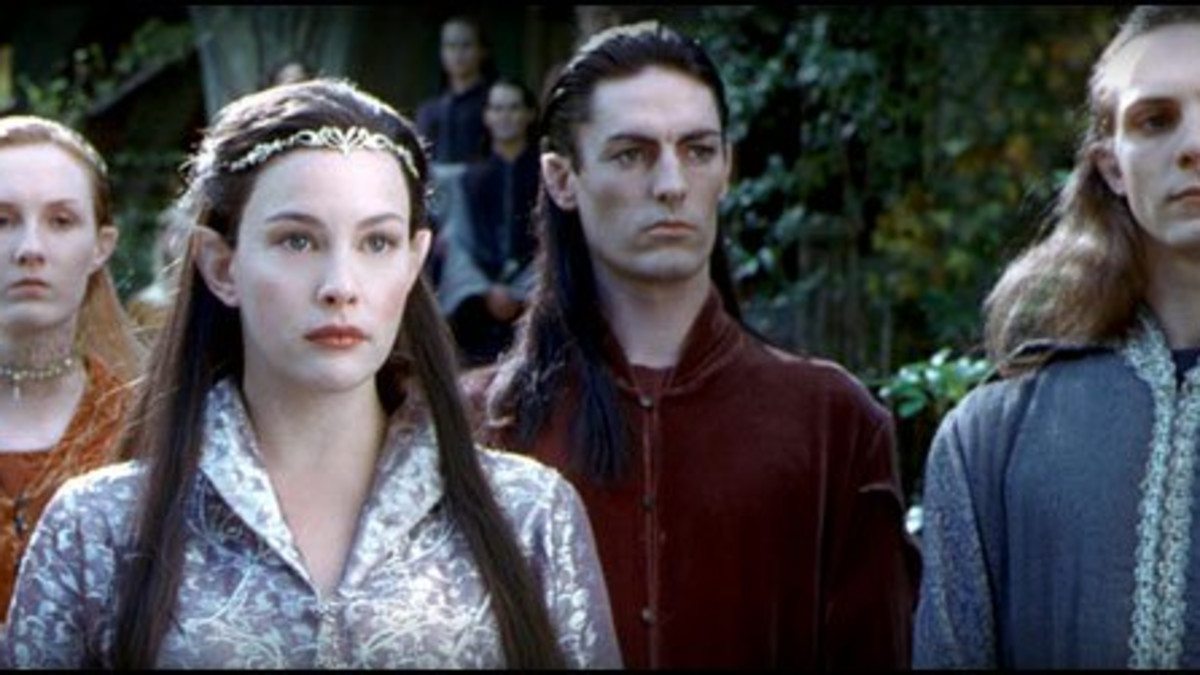 Elves of Lord of the Rings
Read more about 'What is an Elf' here.
Brightown 12 Pack LED Fairy Lights

Perfect for both everyday decorations as well as holiday decor. Easy to bend it to any shape or wrap it on anything you want like photos, shelves, walls, mirrors, crafts, furniture, wreaths, trees, branches, plants, flowers, or wedding déco! Indoor or outdoor use.
Click here for availability and best price on Amazon!
Most Popular!

Sequel to When the Moon Hatched - a vibrant world with mysterious creatures, a unique magic system, and a love that blazes through the ages!
CLICK HERE for availability and best price!
Recent Articles


-
Fairy Coloring Pages
Jun 14, 26 06:13 AM
 Fairy coloring pages and drawings to be printed
 -
Accessories For A Fairy Garden - Bring Magic To Your Backyard!
Jun 14, 26 06:05 AM
 Find the best accessories for a fairy garden - be inspired by our magical selection for your fairy world - be the envy of your neighbors!
 -
Fairy Tail Video Games
Jun 12, 26 03:43 AM
 Fairy Tail Video Games! Find out what makes Fairy Tail such a great fit for video games, and all about the franchise that has built a gaming legacy!